


Keep Good Parts Running, Even When Your Process Changes
From Process Monitoring to Self-Adjusting Control
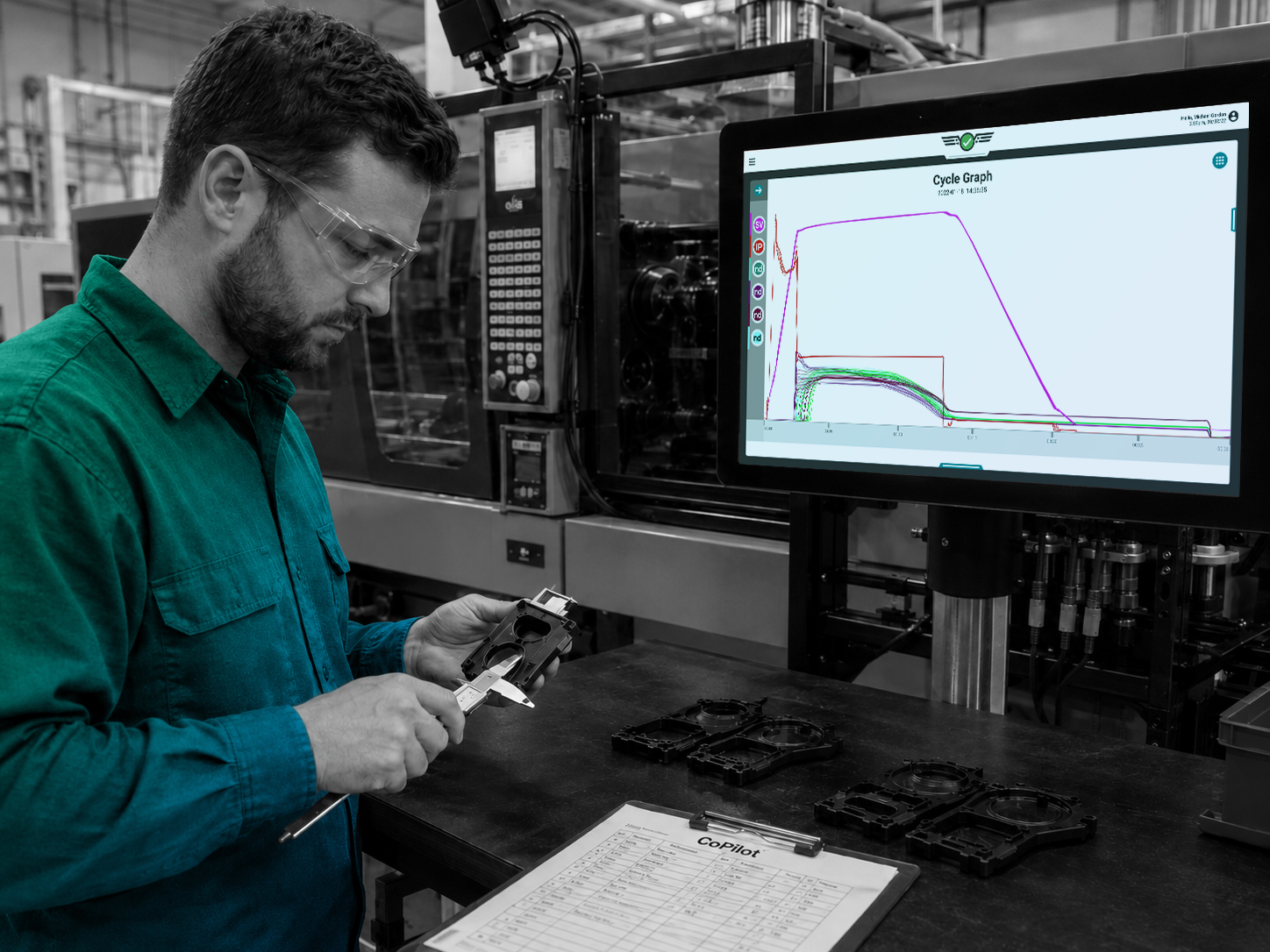
Autonomous Process Control in CoPilot helps capture expert molding knowledge and apply it in real time. Using machine and in-mold data, CoPilot can monitor the process, recognize when conditions change, and help make trusted adjustments within defined guardrails — so good-part production is easier to repeat across shifts, cells, and facilities.
See How It Works
Built on RJG cavity pressure expertise • Designed for CoPilot • Developed for real-time fill and pack control • Powered by in-mold data
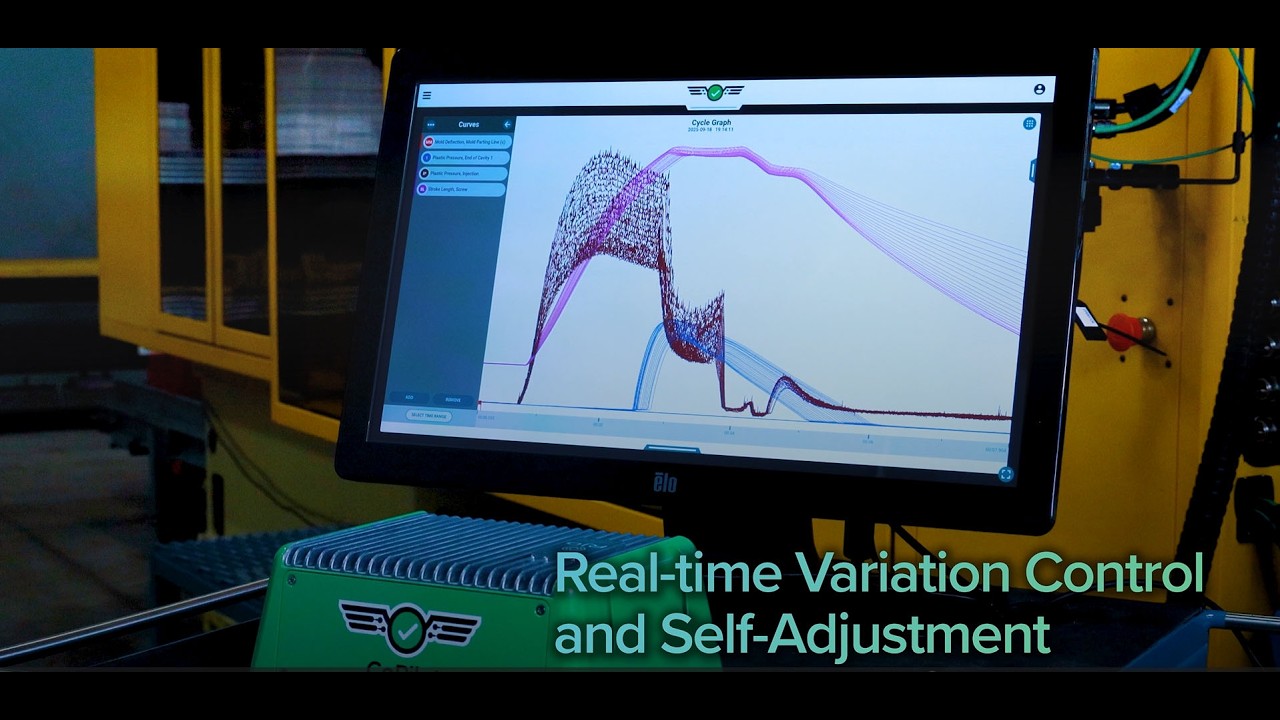
Your Machine May Look Stable. Your Parts May Not Be.
Machine data is important, but it does not always tell the full story of what is happening inside the mold. Screw position, fill time, transfer position, and injection pressure can repeat while cavity conditions still change.
Autonomous Process Control gives CoPilot a deeper level of process influence by connecting machine-side access with in-mold feedback. That means CoPilot can do more than identify variation — it can help control the process around the conditions that actually produce good parts.
| What the machine can tell you | What CoPilot can help control |
|---|---|
| Whether screw position repeated | Whether the cavity filled the same way |
| Whether fill time stayed consistent | Whether pressure developed correctly in the mold |
| Whether transfer happened at the same point | Whether the part was packed under the right conditions |
| Whether the machine pressure stayed within range | Whether pressure at the part stayed aligned with the good-part process |
| Whether settings stayed the same | Whether the process stayed connected to part quality |
CoPilot Turns In-Mold Data Into Real-Time Process Control.
Autonomous Process Control gives CoPilot a more active role in maintaining the molding process. By combining machine-side access with cavity pressure feedback, CoPilot can recognize when the process is moving away from the good-part condition and help bring it back within trusted control limits.
This is not machine automation for automation’s sake. It is a control strategy built around the part-forming event — using the data closest to quality to influence the process in real time.

Sense what matters
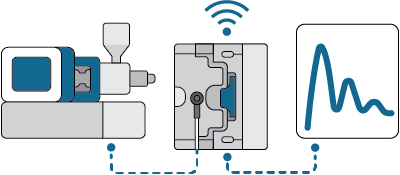
CoPilot uses machine and in-mold data to understand what is happening during fill and pack.

Understand process variation
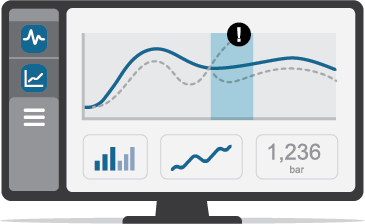
The system tracks whether the process is staying aligned with the established process fingerprint.

Adjust to maintain quality
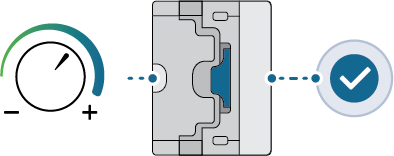
CoPilot helps influence the machine in real time to maintain the conditions that produce good parts.
Autonomy Is Only as Good as the Data Behind It
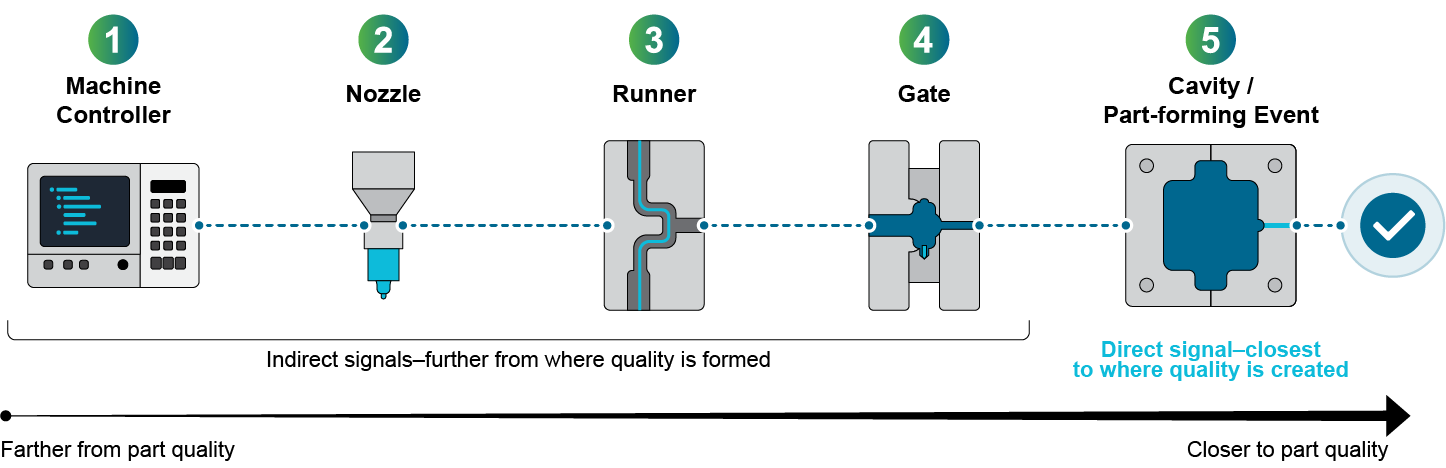
Autonomous control depends on the quality of the data driving the decision. Machine data can tell you what the press tried to do. Cavity pressure tells you what the plastic experienced inside the mold. That difference matters when the goal is to control the process around the part, not just around machine settings.
- Machine data is useful — but incomplete. It cannot fully account for what happens downstream of the nozzle.
- Cavity pressure is closer to quality. It shows fill, pack, gate freeze, pressure decay, and part-forming behavior.
- Better data enables better control. Autonomous systems that use in-mold data can respond to real process changes instead of inferring them indirectly.
Built for the Problems That Interrupt Production


Stable Part Quality
Hidden Variation
Maintain a more consistent part-forming process as conditions change, using data from inside the mold where quality is actually created.
Machine settings can look stable while in-mold conditions shift. Without the right feedback, variation may not show up until it becomes scrap, rework, or a quality escape.


Scalable Expertise
Skilled Labor Gaps
Capture expert process knowledge and apply it consistently across shifts, cells, and production teams.
When critical process knowledge lives only with experienced technicians, performance can vary by shift, operator availability, and troubleshooting bandwidth.


Less Downtime
Costly Interruptions
Keep machines running good parts longer by helping the process respond before variation leads to stops, restarts, or lost production time.
Stuck parts, short shots, quality checks, and restarts can break cycle, consume labor, create startup scrap, and delay production.


More Material Flexibility
Material Uncertainty
Support a wider range of materials, alternate lots, recycled content, or wider-spec resins while maintaining a stable process target.
Material changes can alter viscosity, pressure requirements, fill behavior, and part consistency. Without adaptive control, lower-cost or alternative materials can add risk.
Proven Direction. New Level of Control.
RJG has been moving toward autonomous process control for decades through cavity pressure sensing, DECOUPLED MOLDING®, process monitoring, and CoPilot. The new Autonomous Process Control option builds on that foundation by expanding control beyond monitoring and alarm limits into active process adjustment.
These examples point to the larger goal: capturing expert molding decisions in a repeatable control strategy that can be applied safely and consistently in production.
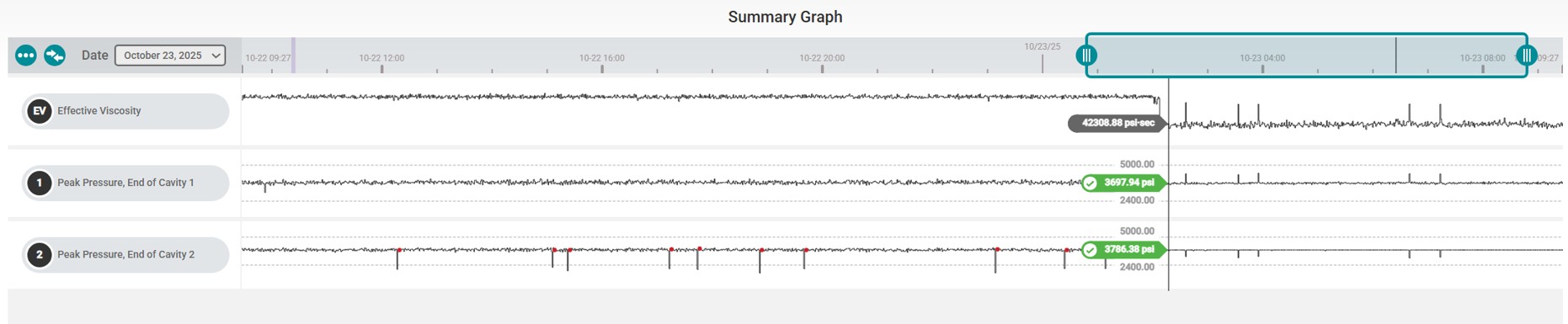
Material variation example
When viscosity changed by 11%, cavity pressure control helped maintain the target cavity condition even though the machine had to respond differently.
%
viscosity change
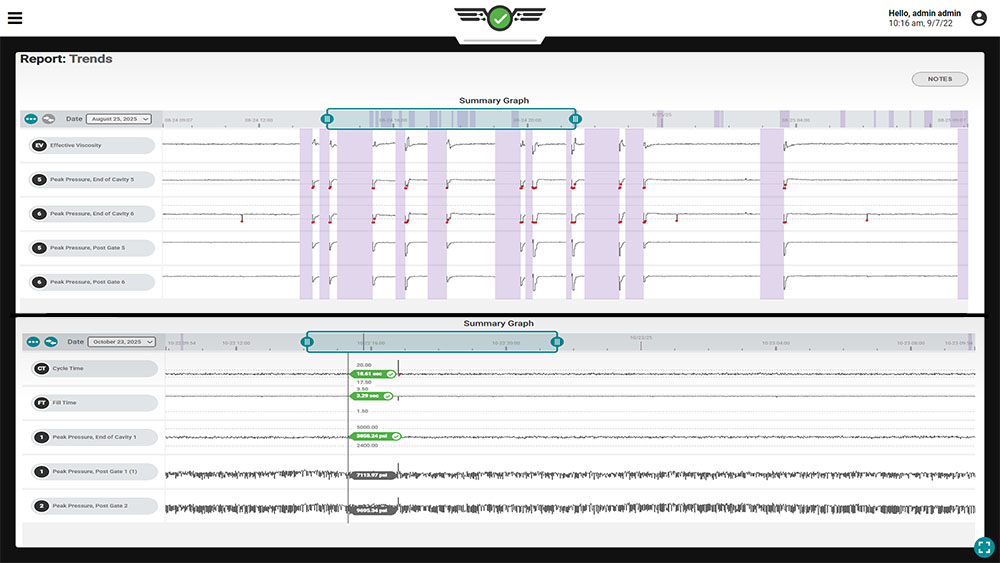
Downtime example
A DECOUPLED III process reduced downtime events from 20 stops to 2 stops over a 24-hour period in the cited example.
↓
downtime events
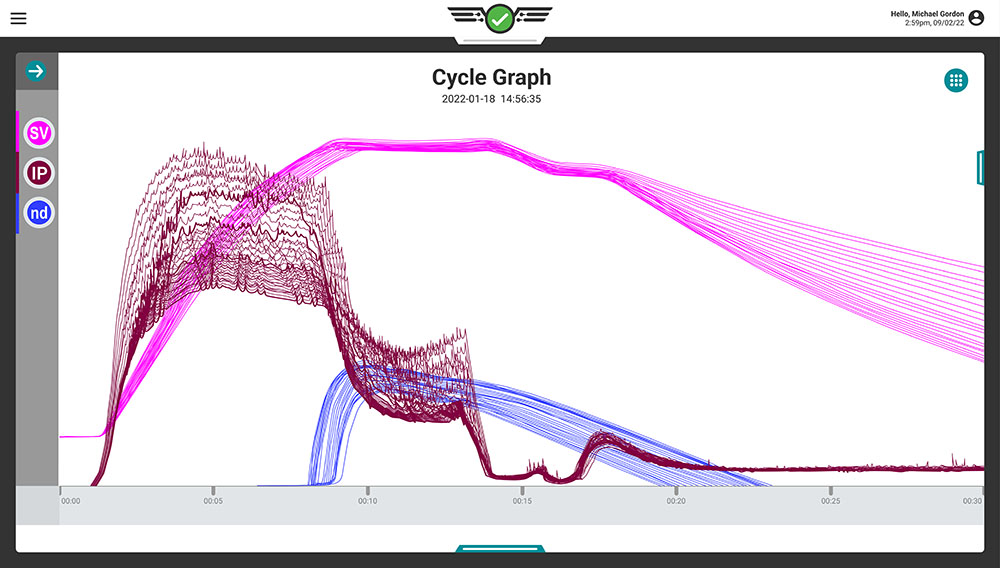
Extreme material-change example
RJG described a process that moved from 7 melt flow HDPE to a less than 1 melt flow material without touching the machine control panel while continuing to make good parts.
Δ
melt flow change
*Application results vary by mold, machine, material, and sensor strategy.
Where Autonomous Process Control Can Help Most

Material variation
For molders dealing with resin lot changes, recycled content, regrind, PCR, or wider-spec materials.

High-scrap or defect-prone parts
For processes where small pressure, pack, or cooling changes create dimensional or cosmetic defects.

Operator-dependent processes
For teams that need to reduce reliance on constant technician intervention and make expert process decisions more repeatable across shifts.

High-value uptime applications
For tools where stops, stuck parts, short shots, or restarts quickly become expensive.
A Practical Path Toward Autonomous Molding
Five-step roadmap
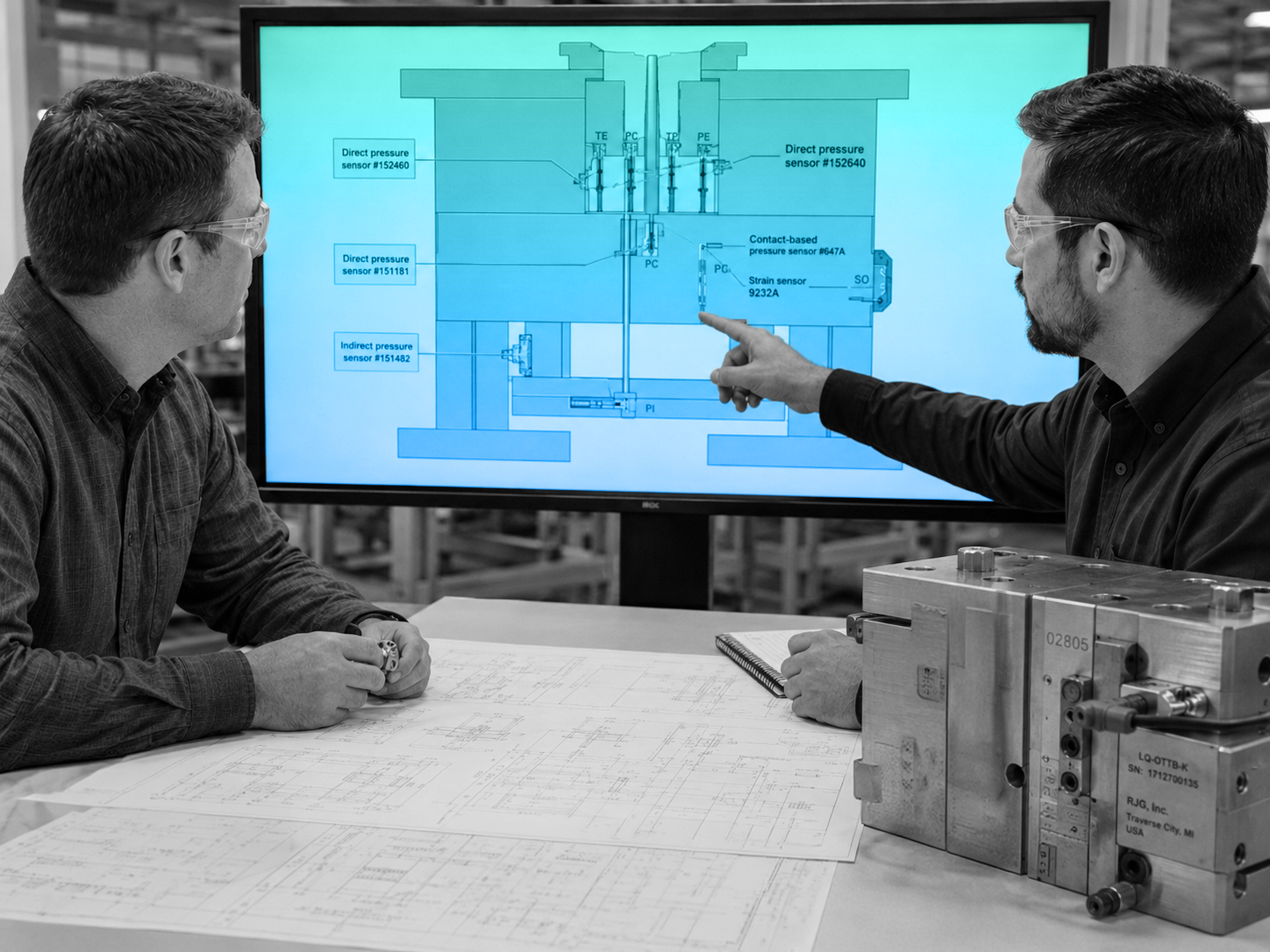
Choose cavity pressure sensor locations based on what needs to be controlled or verified.
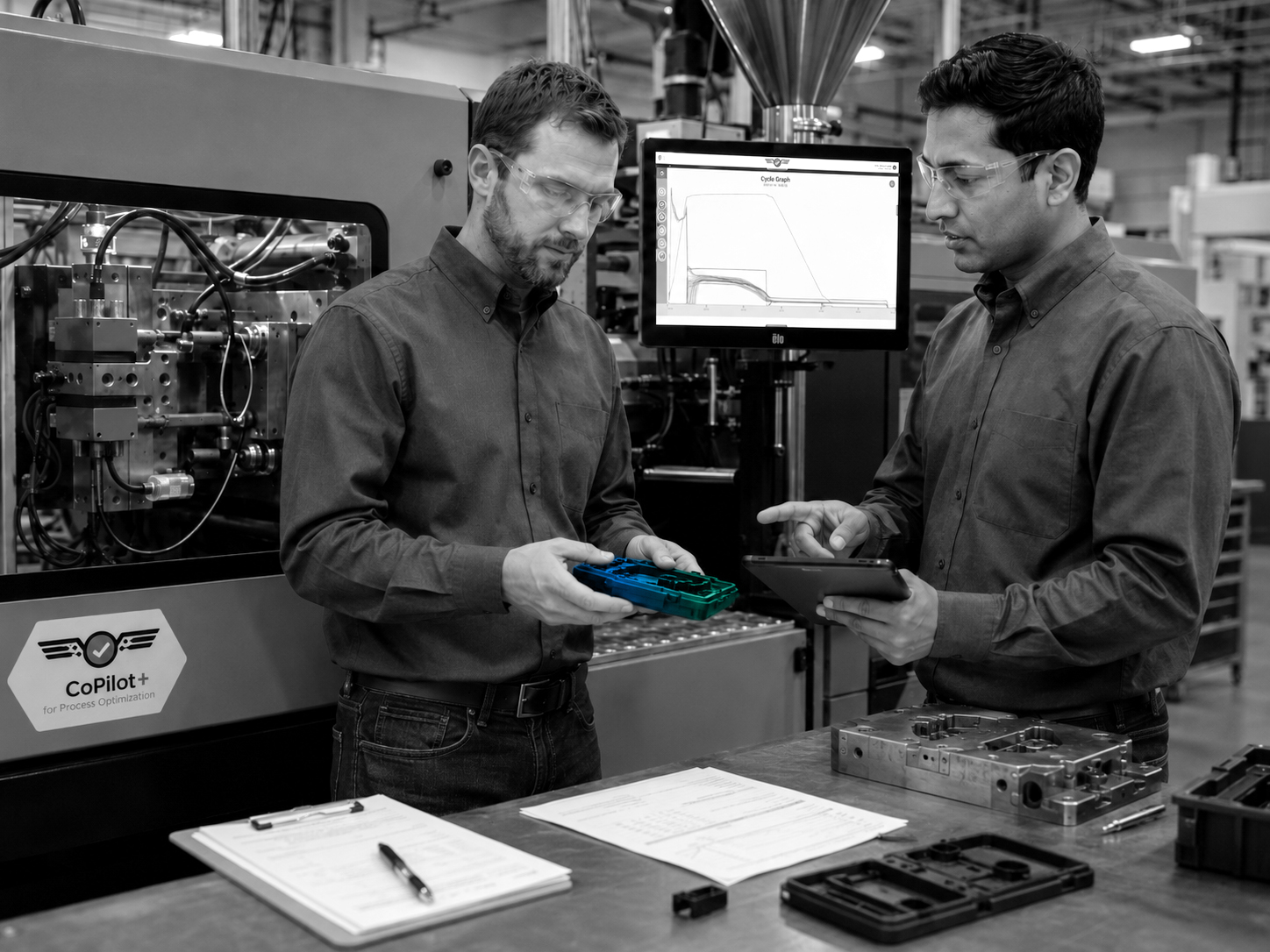
Identify the part, material, quality risks, and process variables that cause instability.
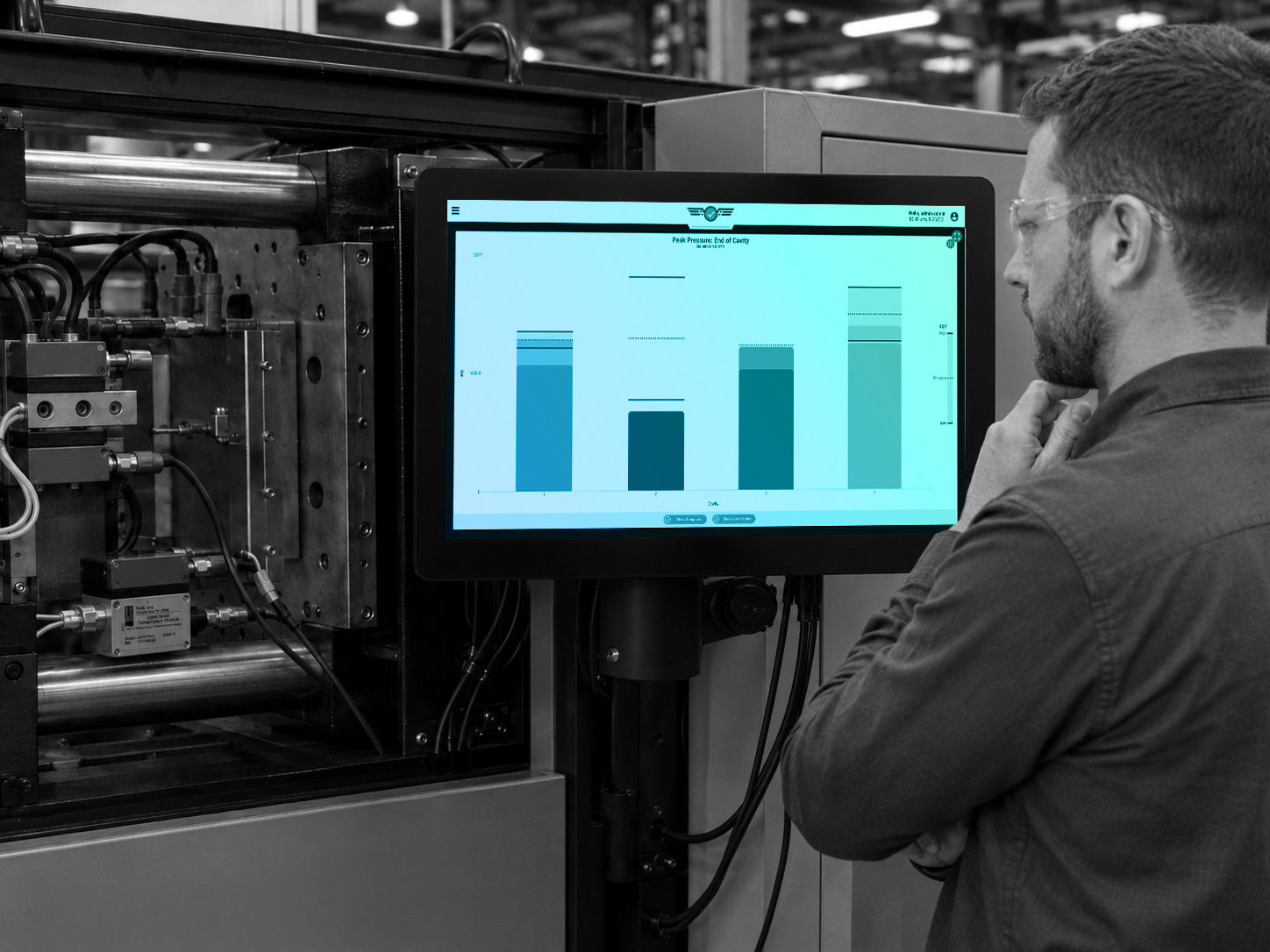
Define the in-mold conditions that produce good parts and create the reference for repeatable performance.
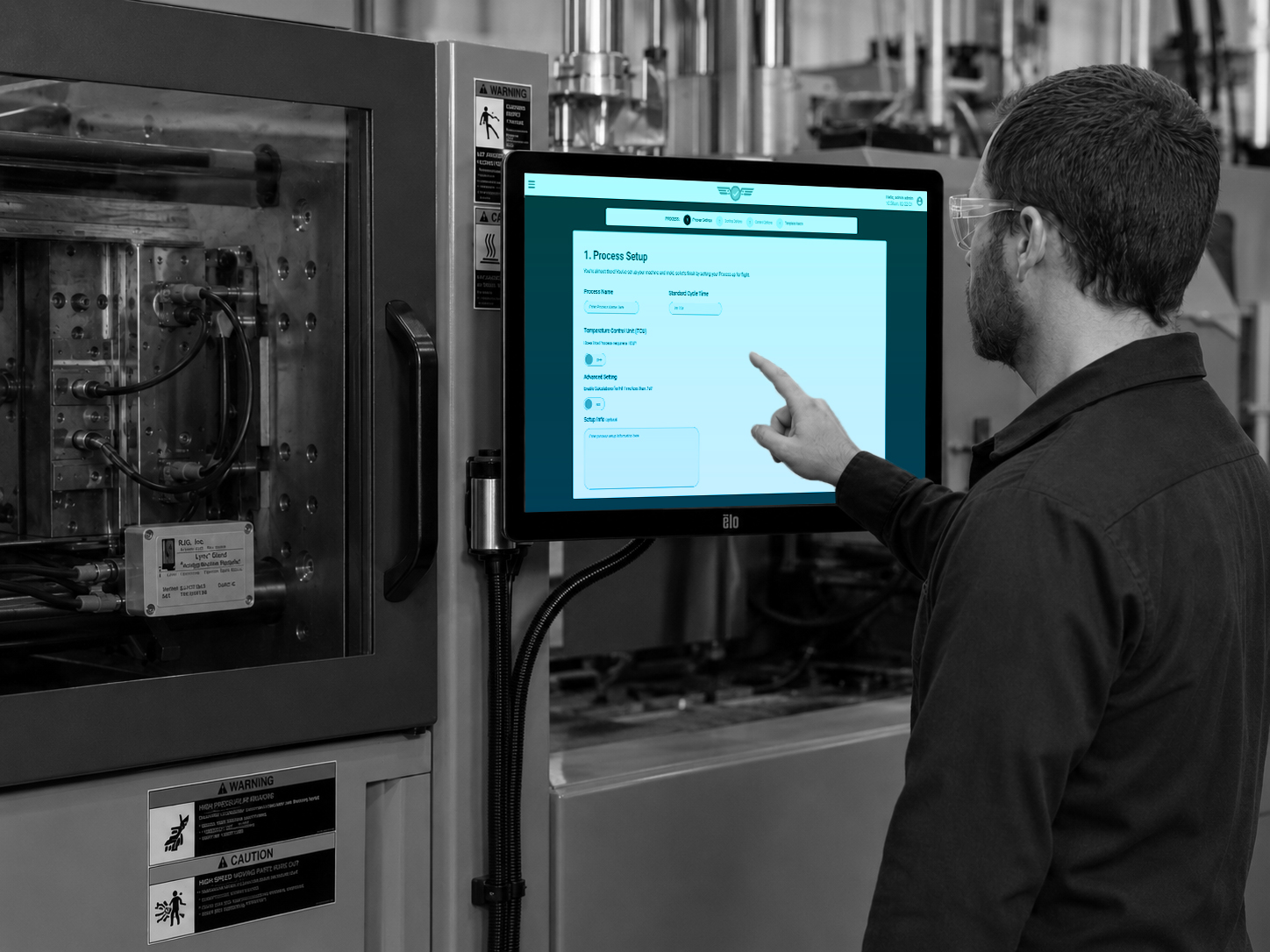
Use CoPilot to monitor the process and respond in real time within defined control limits.
Review performance, refine the control strategy, and expand where autonomous control creates value.
Ready to See if Your Process Is a Fit?
Autonomous Process Control is designed for molders ready to move beyond process monitoring and toward embedded molding intelligence. Tell us about your process, material challenges, or current CoPilot setup, and RJG can help evaluate whether your application is ready for autonomous control.